Van internationale richtlijnen naar nationale implementatie bij cardio-renaal-metabole ziekten
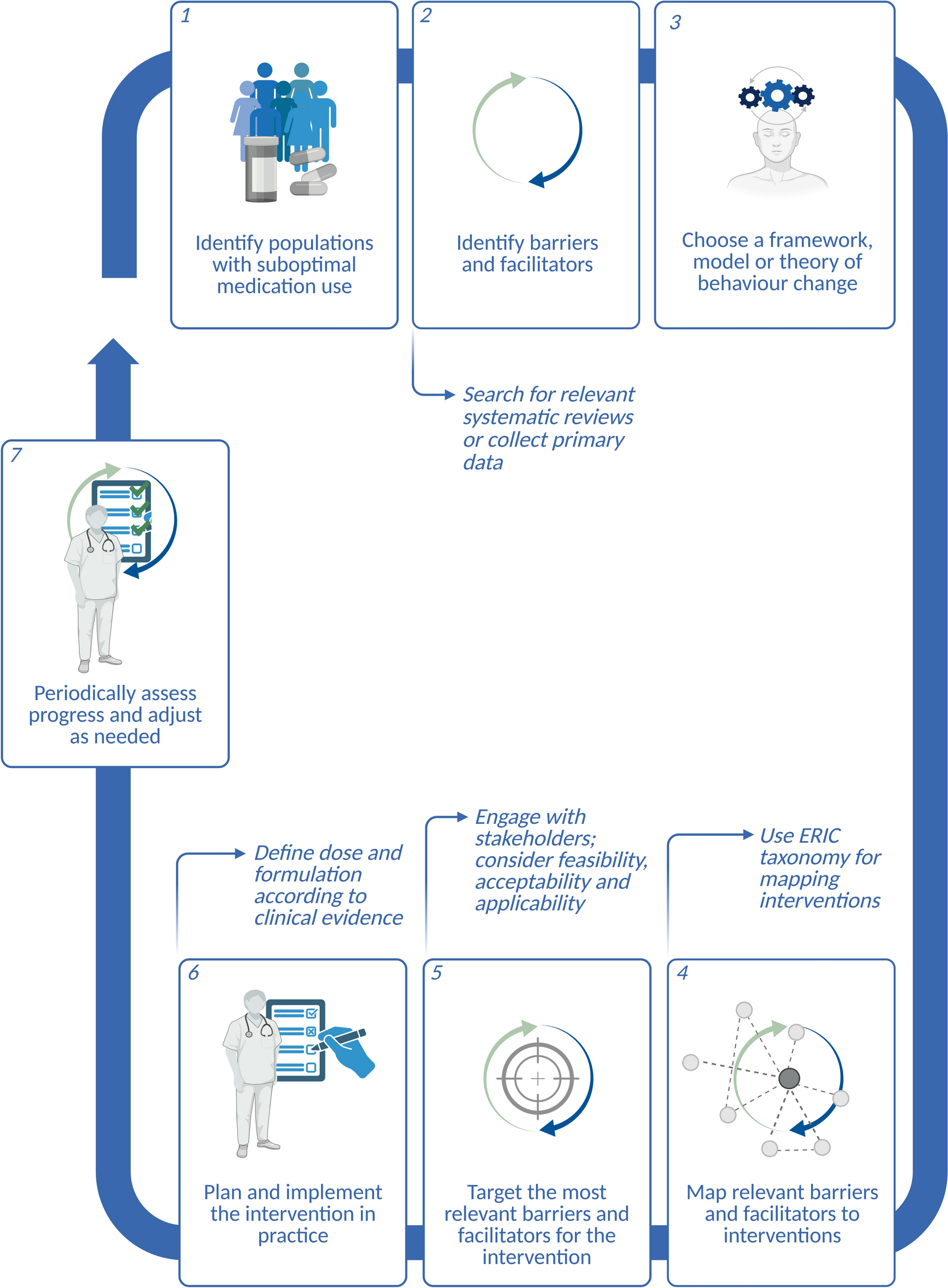
Internationale richtlijnen voor diabetes type 2, obesitas, hart- en vaatziekten en CKD definiëren de standaard van zorg, maar nationale implementatie blijft inconsistent. Dit perspectiefartikel beschrijft de bevindingen van een multidisciplinaire richtlijnworkshop over het vertalen van mondiale standaarden naar lokale praktijk.
Abstract (original)
International guidelines define standards of care for type 2 diabetes (T2D), obesity, cardiovascular disease (CVD), metabolic dysfunction-associated steatotic liver disease (MASLD) and chronic kidney disease (CKD). Yet implementation at the national level remains inconsistent, leading to persistent gaps between evidence-based recommendations and real-world practice. Key barriers include linguistic and cultural adaptation, limited communication to clinicians, and siloed regulatory and reimbursement processes. Addressing these challenges requires coordinated strategies, such as concise translations, digital platforms and decision-support tools, integration into medical education, and structured monitoring and evaluation frameworks with feedback and incentives. Equitable and sustainable access further depends on coordination between medical societies, governmental authorities, payers, and patient representatives. Evidence from existing initiatives shows that systematic, context-sensitive approaches can measurably improve care. Building on these lessons, this Commentary recommends priorities for national implementation to ensure that guidelines move more effectively from publication to practice and realise their full potential to improve patient outcomes.
Dit artikel is een samenvatting van een publicatie in Cardiovascular diabetology. Voor het volledige artikel, alle details en referenties verwijzen wij u naar de oorspronkelijke bron.
Lees het volledige artikelDOI: 10.1186/s12933-026-03098-z